
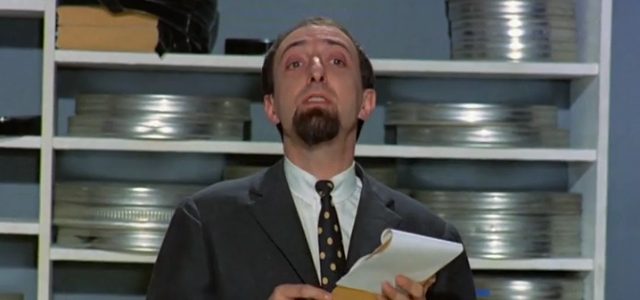
Original title: Pays de cocagne
Directed by Pierre Étaix, Land of Milk and Honey is a sharp, satirical departure from his scripted comedies. It is an “investigative documentary” that captures the collective psyche of France in the immediate wake of the May 1968 civil unrest. Initially misunderstood and poorly received, it is now considered a brilliant, “reflexive” time capsule of 20th-century sociology.
The Synopsis
In the summer following the seismic social shifts of 1968, Pierre Étaix set out with a camera crew to observe the French middle class at leisure. The film travels through crowded camping grounds, sun-drenched beaches, rural fairs, and amateur singing competitions, documenting a nation attempting to return to “normalcy.”
Through a series of candid interviews (often filmed in stark black-and-white to contrast with the vibrant color of the vacation footage), Étaix asks ordinary citizens about a dizzying array of topics: marriage, the moon landing, modern advertising, eroticism, and gender equality. What begins as a seemingly lighthearted look at vacation habits quickly evolves into a “deftly discerning” critique of a consumerist society. The film culminates in a meta-commentary on fame and public image, as Étaix turns the camera on his own reputation, questioning the very role of the entertainer in a changing world.
Cast & Crew
| Role | Name |
| Director | Pierre Étaix |
| Self (The Director) | Pierre Étaix |
| Self (The Interviewer) | Maurice Biraud |
| Self (The Show Presenter) | Harold Kay |
| Self (The Editor) | Michel Lewin |
Production Notes
-
The “Career Killer”: At the time of its release, the film was so controversial and poorly received by French audiences—who felt mocked by Étaix’s “snarky lens”—that it effectively ended his career in cinema for decades, as investors refused to fund his subsequent projects.
-
Stylistic Contrast: Étaix utilizes a unique visual structure, juxtaposing the “vulgar” bright colors of commercialized leisure with the intimate, serious tones of his interviews. This highlights the gap between the artifice of the “good life” and the reality of the people living it.
-
A Final Performance: This was the last feature film Étaix directed before his work was caught in a tragic 20-year legal battle over distribution rights. It wasn’t until the 2010s that the film was restored and rediscovered by a new generation of critics.
-
May ’68 Hangover: The film acts as a sobering “morning after” for the French revolution of 1968, exploring how quickly radical social energy can be redirected back into banal consumerism and televised entertainment.