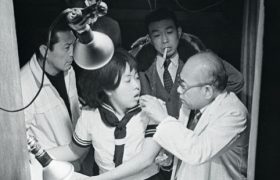
Directed by the legendary Shohei Imamura, this dark, satirical masterpiece (originally titled Jinrui gaku nyumon or Introduction to Anthropology) offers a gritty and ironically detached look at the fringes of Japanese society.
Directed by the legendary Shohei Imamura, this dark, satirical masterpiece (originally titled Jinrui gaku nyumon or Introduction to Anthropology) offers a gritty and ironically detached look at the fringes of Japanese society.
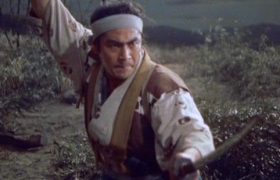
The second chapter of Hiroshi Inagaki’s acclaimed Samurai Trilogy follows the legendary Takezo as he evolves into the more disciplined and enlightened Miyamoto Musashi. Having emerged from years of solitary study, Musashi travels to Kyoto to challenge the prestigious Yoshioka School of fencing, seeking to prove his prowess and refine his spirit.
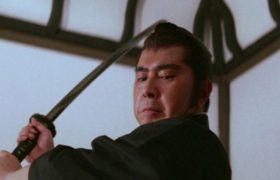
The film that launched one of the most influential sagas in martial arts cinema, Sword of Vengeance serves as the visceral origin story of Ogami Ittō. Once the Shogun’s highly respected “Kogi Kaishakunin” (Official Executioner), Ittō is framed for treason by the power-hungry Yagyū clan, led by the ruthless Retsudō Yagyū.
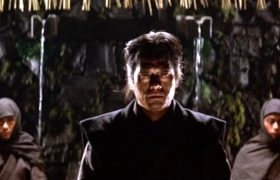
Widely considered the definitive entry in the franchise, the second film finds Ogami Ittō and his son Daigoro facing their most dangerous challenge yet. While wandering the desolate landscapes of feudal Japan, Ittō is hired to eliminate a clan traitor who intends to sell secret shogunate gunpowder recipes to a rival province.
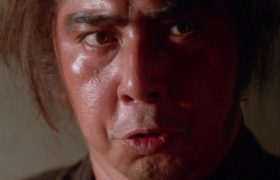
Directed by Kenji Misumi, this is the third—and arguably the most visually stylish—entry in the legendary Lone Wolf and Cub saga (also known as the Kozure Ōkami series). Adapted from the iconic manga by Kazuo Koike and Goseki Kojima, it is a masterclass in “chanbara” (sword fighting) cinema, blending poetic imagery with shocking bursts of violence.

In the fourth installment of the iconic Lone Wolf and Cub series, the disgraced executioner Ogami Ittō and his young son Daigoro continue their blood-soaked journey along the “Road to Hell.”
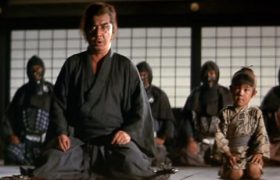
Directed by Kenji Misumi, who returned to the helm for this fifth installment, Baby Cart in the Land of Demons (also known as Kozure Ōkami: Meifumadō) is often regarded as one of the most plot-driven and spiritually focused entries in the series. It further refines the “Road to Hell” philosophy that governs the lives of the wandering assassin and his son.

Directed by Yoshiyuki Kuroda, this is the sixth and final installment of the original Lone Wolf and Cub film series starring Tomisaburō Wakayama. Often cited as the most “supernatural” and visually surreal entry, it brings the long-running blood feud between the Ogami and Yagyū clans to a fever pitch amidst a desolate, frozen landscape.
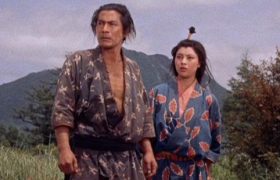
Directed by Hiroshi Inagaki, this film is the first installment of the acclaimed Samurai Trilogy. It is a vibrant, Eastmancolor epic based on the novel by Eiji Yoshikawa, depicting the early life of Japan’s most legendary swordsman. It famously won the Honorary Foreign Language Film Award (the precursor to the Best International Feature Oscar) at the 27th Academy Awards.
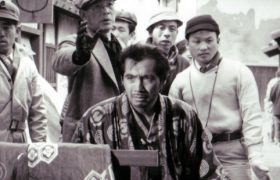
Directed by the legendary Kenji Mizoguchi, Ugetsu (also known as Ugetsu Monogatari) is a haunting masterpiece of Japanese cinema. It is a ghost story that blends historical realism with ethereal fantasy, set against the backdrop of the bloody civil wars of 16th-century Sengoku-era Japan.
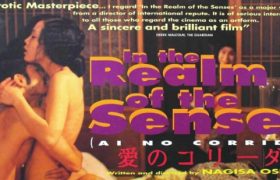
Directed by the visionary Nagisa Ōshima, In the Realm of the Senses (originally titled Ai no Korīda) remains one of the most controversial and discussed films in world cinema. Released in 1976, it is a haunting, claustrophobic exploration of the boundaries between passion and self-destruction.
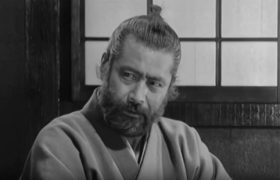
Directed by Akira Kurosawa, Red Beard (Akahige) is a monumental humanistic epic that marks the end of one of cinema’s most famous partnerships: the final collaboration between Kurosawa and his muse, Toshiro Mifune. A sprawling, deeply moving meditation on suffering and the dignity of the poor, the film serves as a grand summation of Kurosawa’s moral philosophy.

Directed by Shōgorō Nishimura, Woman with Pierced Nipples (Chikubi ni piasu o shita onna, 1983) is a notable entry in the Japanese “Pinky Violence” or Roman Porno subgenre. Released by the Nikkatsu studio, the film is a psychosexual drama that explores the boundaries of obsession, submission, and the allure of the forbidden.
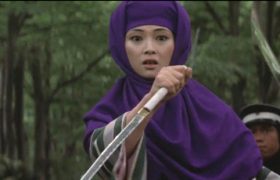
Directed by Toshiya Fujita, Lady Snowblood: Love Song of Vengeance (Shurayukihime: Uraki Lengo) is the 1974 sequel to the iconic Japanese cult classic Lady Snowblood. While the first film focused on a daughter’s blood-soaked quest to fulfill a family vendetta, this installment shifts the narrative into the realm of political intrigue and social upheaval during the late Meiji era.
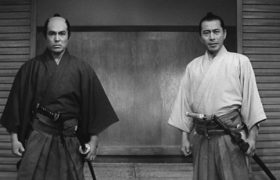
Directed by Masaki Kobayashi, Samurai Rebellion (Jōi-uchi: Hairyō-tsuma shimatsu) is a towering masterpiece of jidai-geki (period drama). While many samurai films focus on the glory of battle, Kobayashi—a staunch pacifist and critic of authoritarianism—uses this story to examine the crushing weight of feudal loyalty and the spark of individual resistance.

Directed by Akira Kurosawa, The Idiot (Hakuchi) is a bold, atmospheric adaptation of Fyodor Dostoevsky’s classic novel. Relocating the story from 19th-century Russia to the stark, snow-covered landscapes of post-WWII Hokkaido, Kurosawa transforms the Russian masterpiece into a haunting Japanese melodrama about the fragility of goodness in a cynical world.
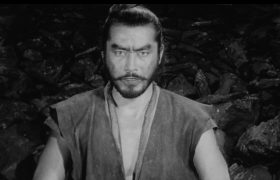
Directed by Akira Kurosawa, The Hidden Fortress (Kakushi Toride no San Akunin) is a high-spirited adventure epic that blends humor, tension, and sweeping action. While it is a masterpiece of Japanese cinema in its own right, it is perhaps most famous globally for being a primary inspiration for George Lucas’s Star Wars.
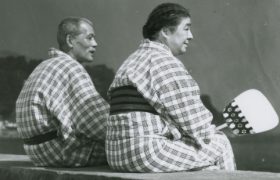
Directed by Yasujirō Ozu, Tokyo Story (Tōkyō Monogatari) is a cornerstone of world cinema, frequently cited as one of the greatest films ever made. It is a quiet, devastatingly beautiful meditation on the inevitable drift between generations and the slow erosion of traditional family structures in post-war Japan.

Directed by Masaki Kobayashi, Kwaidan (1964) is a breathtakingly beautiful anthology of ghost stories, often cited as one of the most visually stunning films ever made. Unlike the “jumper-scare” horror of modern cinema, Kwaidan—which translates to “Ghost Stories”—is a work of deliberate, poetic, and eerie atmosphere based on the folk tales collected by Lafcadio Hearn.
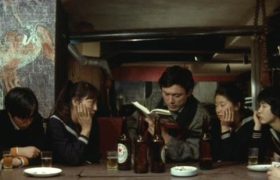
Directed by the provocative Nagisa Ōshima, Sing a Song of Sex (1967)—also known as A Treatise on Japanese Bawdy Songs (Nihon Shunka-kō)—is a surreal, avant-garde exploration of youth rebellion and political apathy during the Japanese New Wave.