
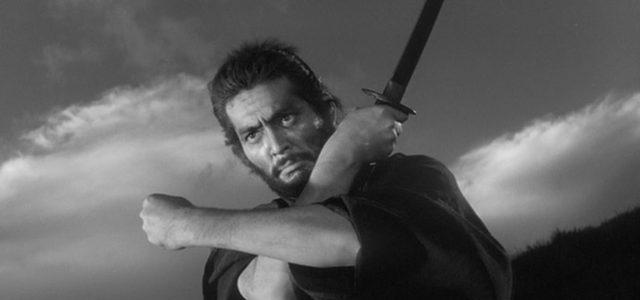
Directed by Masaki Kobayashi, Harakiri (1962)—known in Japan as Seppuku—is widely considered the greatest samurai film ever made. It is a devastating deconstruction of the “bushido” code, trading romanticised heroism for a cold, sharp look at hypocrisy and the human cost of rigid tradition.
The Premise
The year is 1630, a time of relative peace in Japan that has left thousands of samurai unemployed and destitute. Tsugumo Hanshiro (played by the incomparable Tatsuya Nakadai), an aging, masterless ronin, arrives at the gates of the powerful Iyi Clan. He requests a place in their forecourt to commit ritual suicide (harakiri), claiming he can no longer endure his poverty-stricken life.
The clan’s cynical counselor, suspecting Hanshiro is merely running a “suicide bluff” to beg for alms, tells him a gruesome story of another young ronin who recently came to them with the same request—and was forced to follow through with a dull bamboo blade. Hanshiro listens intently, but he does not waver. As he prepares for his final act, he makes a last request: to tell the story of how he arrived at this moment. Through his tale, the true motives of his visit are revealed, leading to a tense psychological standoff that threatens to tear down the honor of the entire house.
Key Cast and Crew
-
Director: Masaki Kobayashi
-
Hanshiro Tsugumo: Tatsuya Nakadai
-
Saitō (The Clan Counselor): Rentarō Mikuni
-
Motome Chijiiwa: Akira Ishihama
-
Miho (Hanshiro’s Daughter): Shima Iwashita
Why It Matters
-
The Anti-Samurai Film: While it features incredible swordplay, the film is primarily a critique of institutional cruelty. It asks if “honor” has any meaning when it is used to justify the suffering of the poor.
-
Nakadai’s Intensity: Tatsuya Nakadai gives a career-defining performance, shifting from humble beggar to a terrifying force of nature with just a look in his eyes.
-
Geometric Precision: Kobayashi, a master of composition, uses the architecture of the clan’s estate to create a feeling of entrapment and looming fate. The cinematography is famously sharp and symmetrical.
“This thing you call ‘samurai honor’ is ultimately nothing but a facade.”
Winner of the Special Jury Prize at Cannes, Harakiri is a haunting masterpiece that proves the tongue can be just as sharp as the sword.