
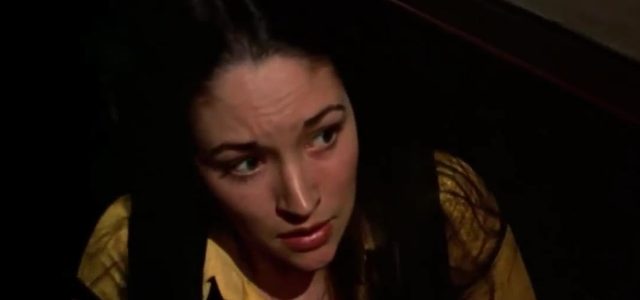
Black Christmas (1974) is a seminal Canadian horror film that is widely credited with creating the blueprint for the “slasher” genre. Directed by Bob Clark (who, in a strange twist of cinematic fate, also directed the family classic A Christmas Story), the film is a masterclass in slow-burn tension and claustrophobic dread.
The Plot
As Christmas break begins at a quiet sorority house, a group of sisters—including the headstrong Jess and the spirited Barb—are plagued by increasingly disturbing and obscene phone calls from a man who refers to himself as “Billy.”
Initially dismissed as a crude prank, the situation turns lethal when one of the girls goes missing. As the police, led by the weary Lieutenant Fuller, struggle to take the threat seriously, the bodies begin to pile up within the house itself. The film is famous for its pioneering use of the “point-of-view” (POV) camera, allowing the audience to see through the eyes of the killer as he stalks the sorority members from the shadows of their own attic. While Jess deals with her own personal crisis involving her volatile boyfriend, Peter, she eventually realizes that the calls are coming from a much closer source than anyone ever imagined.
Cast & Crew
-
Director: Bob Clark
-
Lead Actors:
-
Olivia Hussey as Jess Bradford
-
Keir Dullea as Peter Smythe
-
Margot Kidder as Barb Coard
-
-
Supporting Cast:
-
John Saxon as Lieutenant Fuller
-
Andrea Martin as Phyllis “Phyl” Carlson
-
Marian Waldman as Mrs. Mac (the Housemother)
-
James Edmond as Mr. Harrison
-
A Cinematic Trailblazer
Black Christmas is celebrated for its sophisticated approach to horror. Unlike many of its successors, it focuses heavily on character development and atmospheric sound design—most notably the chilling, multi-layered voices used for the “Billy” phone calls. It was one of the first films to utilize the “the calls are coming from inside the house” trope, a concept that would terrify audiences for decades to come.