
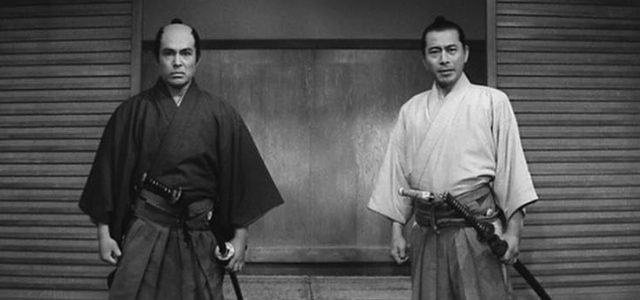
Directed by Masaki Kobayashi, Samurai Rebellion (Jōi-uchi: Hairyō-tsuma shimatsu) is a towering masterpiece of jidai-geki (period drama). While many samurai films focus on the glory of battle, Kobayashi—a staunch pacifist and critic of authoritarianism—uses this story to examine the crushing weight of feudal loyalty and the spark of individual resistance.
The Premise
The year is 1725, a time of rigid peace under the Tokugawa Shogunate. Isaburo Sasahara (Toshiro Mifune) is a seasoned, aging swordsman for the Aizu clan, living a quiet life of weary subservience. His world is upended when the clan’s Lord orders Isaburo’s son, Yogoro (Takeshi Katō), to marry Lady Ichi (Yoko Tsukasa), a woman who has been unceremoniously expelled from the Lord’s castle after bearing him a son.
Initially hesitant to take in a “discarded” woman, the Sasahara family soon discovers that Ichi is a woman of profound grace and strength. She and Yogoro fall deeply in love, find true happiness, and have a daughter.
The Conflict
The fragile peace is shattered when the Lord’s primary heir dies, making Ichi’s son the new successor to the clan. To maintain political “purity,” the clan authorities demand that Ichi be returned to the castle and the marriage to Yogoro be dissolved.
In a society where a Lord’s word is absolute law, refusal is considered treason. However, moved by the genuine love between his son and daughter-in-law—and disgusted by years of his own silent compliance—Isaburo decides to do the unthinkable: he says no. The film follows the family as they barricade themselves in their home, prepared to face the entire might of the clan to defend their right to exist as a family.
Key Cast and Crew
-
Director: Masaki Kobayashi
-
Isaburo Sasahara: Toshiro Mifune
-
Tatwaki Asano: Tatsuya Nakadai
-
Lady Ichi: Yoko Tsukasa
-
Yogoro Sasahara: Takeshi Katō
Notable Elements
-
The Clash of Titans: The film features a legendary showdown between Toshiro Mifune and Tatsuya Nakadai (who plays Isaburo’s best friend and rival, forced by duty to oppose him). It is one of the most tense and philosophically charged duels in cinema history.
-
Cinematography: Shot in stark, wide-screen black and white by Kazuo Miyagawa, the film uses architectural lines and shadows to emphasize the rigid, trapping nature of the feudal system.
-
A Critique of Duty: Kobayashi explores the tragedy of “Giri” (social obligation) versus “Ninjo” (human feeling), ultimately asking at what point a man must break his sword to save his soul.
Why It Resonates
Samurai Rebellion is a slow-burn thriller that erupts into visceral action. It remains a powerful anthem for the individual against the state, portraying a man who finds his greatest strength only when he finally decides to stop following orders.
“I have never felt more alive than I do now.” — Isaburo Sasahara