
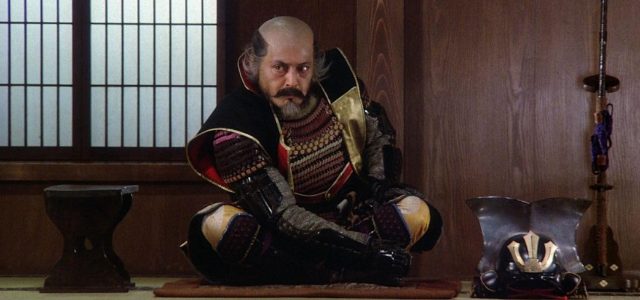
Directed by the legendary Akira Kurosawa, Kagemusha (1980) is a sweeping, visually ravishing epic set during the Sengoku period of Japanese history. The film marked a triumphant return for Kurosawa and was co-produced by his Western admirers, George Lucas and Francis Ford Coppola.
The Premise
The story takes place in the 16th century, as powerful warlords battle for control of Japan. Shingen Takeda, a formidable and respected Great Lord, is mortally wounded during a siege. To prevent his clan’s enemies from attacking their vulnerable territory, the Takeda generals decide to keep Shingen’s death a secret.
Their solution lies in a nameless, petty thief who happens to bear an uncanny resemblance to the fallen lord. This man is pressed into service as a kagemusha, or “shadow warrior.” Initially a reluctant and terrified puppet, the thief must learn to mimic the mannerisms, dignity, and command of the Great Lord to deceive not only rival clans but also Shingen’s own family and concubines. As he becomes deeper entangled in the deception, the line between the lowly criminal and the powerful leader begins to blur, even as the tides of history and the advent of modern warfare threaten to destroy the Takeda legacy.
Key Cast and Crew
-
Director: Akira Kurosawa
-
The Thief / Shingen Takeda: Tatsuya Nakadai
-
Nobunaga Oda (The Rival): Daisuke Ryū
-
Ieyasu Tokugawa (The Rival): Masayuki Yui
-
Katsuyori Takeda (Shingen’s Son): Kenichi Kagemusha
Why It Matters
-
Visual Grandeur: Kurosawa used the film to experiment with color on a massive scale. The dream sequences and the final, haunting battle of Nagashino are considered some of the most beautiful frames in cinema history.
-
Tatsuya Nakadai’s Performance: Taking over the role after Toshiro Mifune was passed over (and Shintaro Katsu was fired), Nakadai delivers a brilliant dual performance, capturing both the lord’s stoicism and the thief’s frantic insecurity.
-
Themes of Identity: The film explores the “Kurosawa-esque” fascination with the masks people wear and whether a shadow can eventually gain more substance than the man who cast it.
“The shadow of a man can never stand up and walk on its own.”