
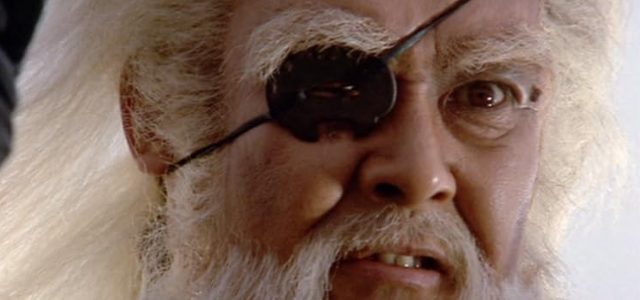
Directed by Yoshiyuki Kuroda, this is the sixth and final installment of the original Lone Wolf and Cub film series starring Tomisaburō Wakayama. Often cited as the most “supernatural” and visually surreal entry, it brings the long-running blood feud between the Ogami and Yagyū clans to a fever pitch amidst a desolate, frozen landscape.
The Plot
The master assassin Ogami Ittō and his young son Daigorō continue their perilous trek across Japan, still hunted by the relentless Yagyū Clan. Having exhausted almost all of his resources and warriors, the clan’s patriarch, Yagyū Retsudō, grows increasingly desperate to eliminate the “Lone Wolf” once and for all.
In a final attempt to crush Ittō, Retsudō enlists the help of his last remaining children—including his fierce daughter Kaori—and a group of shadowy, supernatural practitioners of the “black arts” known as the Tsuchigumo (Spider) Clan. These new enemies use subterranean tactics and psychological warfare, forcing Ittō to adapt his combat style to survive.
The journey leads the father and son into the snow-covered mountains for a legendary final confrontation. As the baby cart is modified into a specialized winter sled, Ittō prepares to face an army of white-clad assassins in a battle that transcends mere revenge, becoming a struggle for the very soul of the warrior code.
Cast & Crew
| Role | Contributor |
| Director | Yoshiyuki Kuroda |
| Ogami Ittō | Tomisaburō Wakayama |
| Ogami Daigorō | Akihiro Tomikawa |
| Yagyū Retsudō | Minoru Ōki |
| Yagyū Kaori | Junko Hitomi |
| Producer | Tomisaburō Wakayama |
Key Highlights
-
The Snow Battle: The film is famous for its climactic “ski-battle” sequence, where the baby cart is mounted on skis and Ittō takes on a literal mountain of enemies. It remains one of the most unique action set-pieces in samurai cinema.
-
A Shift in Tone: While the earlier films directed by Kenji Misumi were grounded in poetic realism, director Yoshiyuki Kuroda (known for his work on the Daimajin series) introduces more fantastic and stylized elements to this finale.
-
The Bond of Father and Son: Despite the escalating violence, the film leans heavily into the silent, telepathic connection between Ittō and Daigorō, emphasizing their shared destiny in “Hell.”
Note: Although this was the final film in the original 1970s series, the overarching story of the manga was not fully concluded on screen until decades later in various television adaptations and a later standalone film.