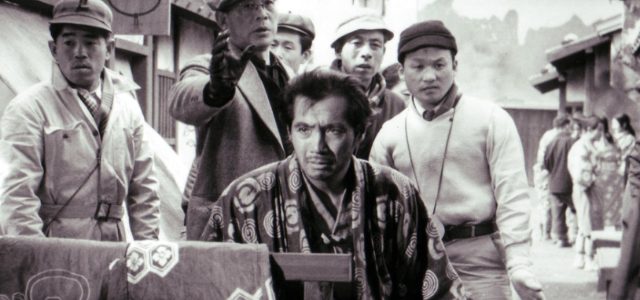
Directed by the legendary Kenji Mizoguchi, Ugetsu (also known as Ugetsu Monogatari) is a haunting masterpiece of Japanese cinema. It is a ghost story that blends historical realism with ethereal fantasy, set against the backdrop of the bloody civil wars of 16th-century Sengoku-era Japan.
The Plot
The story follows two ambitious brothers, Genjuro and Tobei, living in a small farming village. As war approaches, they see the chaos not as a threat, but as an opportunity for personal gain.
Genjuro, a humble potter, dreams of amassing great wealth by selling his wares in the city during the wartime shortage. Tobei, on the other hand, is obsessed with becoming a legendary samurai, despite lacking the training or social standing. Driven by greed and vanity, the two men leave their devoted wives behind to pursue their selfish desires in the city.
While Tobei seeks martial glory, Genjuro encounters the mysterious and beautiful Lady Wakasa at a sprawling estate. He becomes entranced by her, entering a dreamlike romance that blinds him to the reality of his family and the world he left behind. The film explores themes of ambition, the cost of war, and the tragic consequences of neglecting those who offer unconditional love.
Cast & Crew
| Role | Contributor |
| Director | Kenji Mizoguchi |
| Genjuro | Masayuki Mori |
| Lady Wakasa | Machiko Kyō |
| Tobei | Eitaro Ozawa |
| Miyagi (Genjuro’s Wife) | Kinuyo Tanaka |
| Ohama (Tobei’s Wife) | Mitsuko Mito |
Key Highlights
-
Visual Poetry: Mizoguchi is famous for his use of long, flowing takes and “scroll-like” cinematography, which creates a seamless transition between the physical world and the supernatural.
-
The Lake Scene: The mist-covered boat sequence on Lake Biwa is widely considered one of the most beautiful and atmospheric scenes in film history.
-
Global Recognition: The film won the Silver Lion at the Venice Film Festival, helping to introduce Western audiences to the depth of Japanese cinema alongside the works of Kurosawa.
Note: The title Ugetsu roughly translates to “Tales of Ugetsu,” referencing “rain” and “the moon”—symbols that represent the blurred lines between reality and the spirit world.