
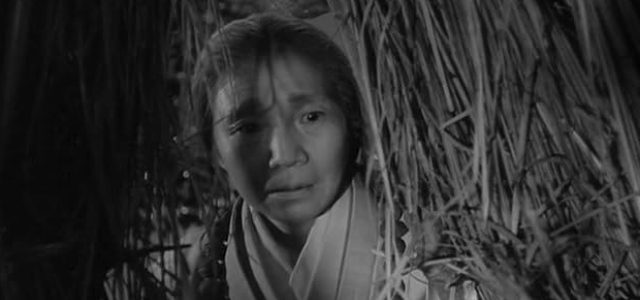
Originally titled Sanshō Dayū, this masterpiece by Kenji Mizoguchi is a haunting, deeply moving folk tale set in the Heian period of feudal Japan. It is widely considered one of the greatest achievements in world cinema, renowned for its breathtaking cinematography and its profound exploration of human compassion versus institutional cruelty.
The Premise
The story begins with a virtuous governor who is sent into exile for defying a corrupt feudal lord and protecting the interests of the peasantry. His wife, Tamaki, and their two young children, Zushio and Anju, attempt to join him but are met with a devastating betrayal. The family is violently separated: Tamaki is taken to a distant island, while the children are sold into slavery.
Zushio and Anju are taken to the manor of Sansho the Bailiff, a brutal and tyrannical overseer who rules his labor camp with an iron fist and absolute dehumanization. Over the next decade, the siblings endure unimaginable hardship. While Anju clings to their father’s noble teachings—that “without mercy, a man is like a beast”—the crushing weight of their reality threatens to turn Zushio into a cold, hardened shell of his former self. The film follows their agonizing struggle to retain their humanity and find their way back to a family that has become a distant, fading memory.
Key Cast and Crew
-
Director: Kenji Mizoguchi
-
Screenplay: Yoshikata Yoda and Yahiro Fuji (based on the short story by Mori Ōgai)
-
Cinematography: Kazuo Miyagawa (Rashomon)
| Actor | Role |
| Kinuyo Tanaka | Tamaki (The Mother) |
| Yoshiaki Hanayagi | Zushio |
| Kyōko Kagawa | Anju |
| Eitarō Shindō | Sansho the Bailiff |
| Masahiko Tsugawa | Young Zushio |
A Cinematic Benchmark
Mizoguchi is famous for his use of “one scene, one shot” direction. In Sansho the Bailiff, his long, fluid takes create a visual poetry that balances the grim reality of the plot with a sense of transcendent beauty. It won the Silver Lion at the Venice Film Festival and remains a cornerstone of Japanese Golden Age cinema.