
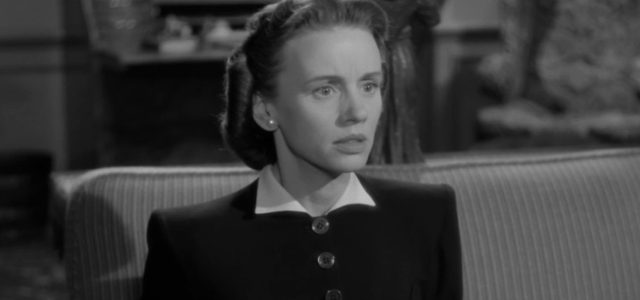
Directed by Zoltán Korda and adapted for the screen by Aldous Huxley (from his own short story, The Gioconda Smile), A Woman’s Vengeance is a sophisticated psychological noir. It blends the atmosphere of a British drawing-room drama with the high stakes of a murder mystery and a courtroom thriller.
The Synopsis
The story revolves around Henry Maurier, a wealthy and somewhat superficial country gentleman who is trapped in a stifling marriage to his invalid wife, Emily. Henry finds intellectual companionship with their neighbour, the poised and devoted Janet Spence, but he seeks romantic excitement elsewhere—specifically with a young, naive woman named Doris.
The status quo is shattered when Emily dies suddenly of a heart ailment. While the death initially appears to be from natural causes, a web of local gossip and the suspicious observations of the family physician, Dr. Libbard, lead to an exhumation. When traces of arsenic are discovered, Henry is promptly arrested and tried for murder. As Henry faces the gallows, the film shifts its focus to the psychological turmoil of the women in his life. The narrative becomes a tense race against time, as the true motivations of a “woman scorned” come to light and the lines between unrequited love and cold-blooded malice are chillingly blurred.
Cast & Crew
| Role | Name |
| Director | Zoltán Korda |
| Screenwriter | Aldous Huxley |
| Henry Maurier | Charles Boyer |
| Janet Spence | Ann Blyth |
| Dr. Libbard | Sir Cedric Hardwicke |
| Doris Mead | Jessica Tandy |
| Emily Maurier | Rachel Kempson |
Production Notes
-
Literary Pedigree: Aldous Huxley’s script retains the sharp, cynical edge of his prose, focusing less on the “whodunit” and more on the philosophical and psychological breakdown of a man forced to face his own shallow character.
-
A New Kind of Femme Fatale: Unlike the typical Hollywood femme fatale who uses overt sexuality, the antagonist in this film (and the short story it’s based on) is defined by a “Gioconda Smile”—a reference to the Mona Lisa’s inscrutable expression—representing repressed emotion and hidden intellect.
-
Casting Against Type: While Charles Boyer was famous for his roles as a suave romantic lead, here he plays a man whose charm is his greatest liability, leading to a much more vulnerable and frantic performance than audiences were used to seeing from him.
-
The Korda Style: Zoltán Korda, often overshadowed by his producer brother Alexander, brings a moody, almost Gothic intensity to the English estate setting, utilising sharp shadows and tight framing to emphasize Henry’s growing sense of entrapment.